
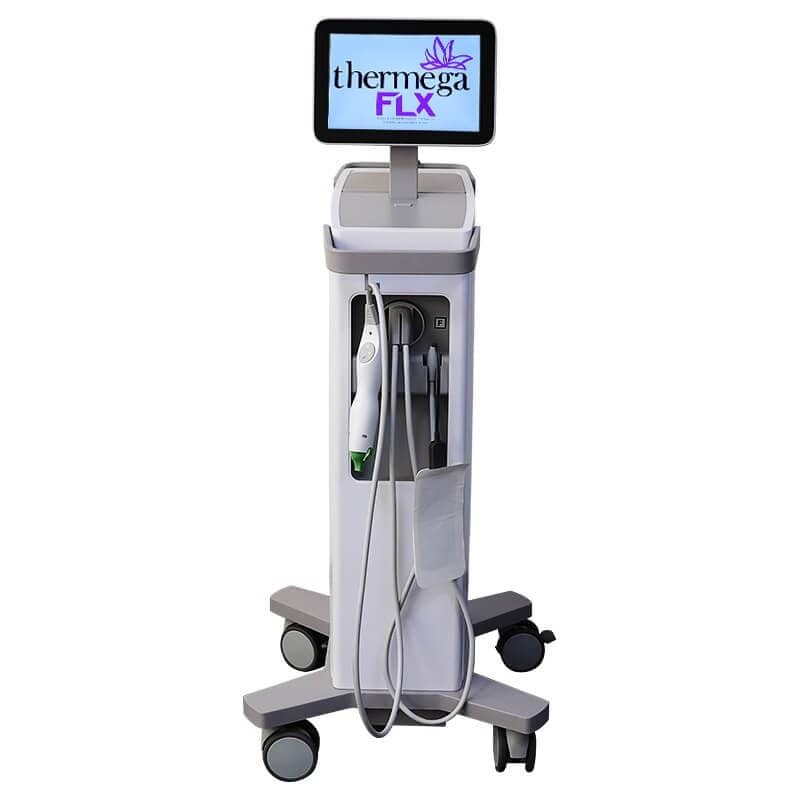
They are constantly compared, but they are not the same treatment. Thermage tightens the skin; Ultherapy lifts the deep support layer underneath. Knowing which one your face needs is the difference between an underwhelming result and the "what did you do?" reaction.
Thermage and Ultherapy are not the same treatment. Thermage uses monopolar radiofrequency to tighten the skin itself, improving texture and firmness. Ultherapy uses focused ultrasound to lift the deeper SMAS layer, repositioning jowls, cheeks, and brow. In Gangnam each costs about $1,400–$2,000 per session and lasts 12–18 months; Korean clinics often recommend stacking both, Ultherapy first and Thermage 4–6 weeks later.
Thermage: 1 session every 12–18 months · Ultherapy: 1 session every 12–18 months
Thermage FLX 900 pulses (full face + neck) in Gangnam: $1,400–$2,000. Ultherapy Prime (jaw + neck + brow): $1,400–$2,000. The combined stack: $2,500–$3,500. Single-zone Thermage Eye: $400–$700. The same Thermage FLX session in the US runs $3,500–$5,500 — Korean pricing is roughly a third. Full cost guide →
How each one actually works
Thermage uses monopolar radiofrequency (RF) — radio waves that heat the skin from the inside. The heat reaches the dermis and subcutaneous tissue, causing existing collagen to contract immediately while triggering new collagen production over the following months. The result is tighter, smoother skin texture across the whole face.
Ultherapy uses HIFU — sound waves that pass through the upper skin without affecting it and concentrate energy at a fixed depth below. The target is the SMAS layer, the same connective sheet a surgeon pulls during a facelift. Heating that layer creates tiny coagulation points that contract and remodel over 8–12 weeks, producing a true structural lift: cheek pads sit higher, the jawline reappears, the brow rises slightly.
Tightening vs lifting — what the words actually mean
"Tightening" means the skin itself becomes firmer and smoother — smaller pores, less crepey texture. "Lifting" means the structures under the skin physically reposition upward, restoring what gravity has pulled down.
Most patients in their 30s notice skin quality loss first (texture, loose surface) and benefit most from Thermage. Patients in their 40s and 50s typically see deeper structural sag — jowls forming, cheek pads dropping, the jawline blurring — and benefit more from Ultherapy. The two effects come from different layers of the face and need different tools.
When to choose Thermage
Thermage is the better pick when the main concern is skin quality — looseness around the jawline, fine crepiness on cheeks or the under-eye area, enlarged pores, overall lack of firmness without much structural sag. The RF tip glides over the surface and works evenly across the whole face, including the neck and around the eyes (there is a smaller eye tip for firming upper and lower eyelid skin).
Patients describe the result as "fresher skin" rather than "lifted face." The full effect builds over 3–6 months and lasts 12–18 months.
When to choose Ultherapy
Ultherapy is the better pick when the main concern is structural sag — face shape has changed, jawline has softened, cheek volume has dropped, the brow sits lower. The HIFU energy reaches the deep SMAS layer that holds the face against gravity; no topical product or RF treatment can reach that depth.
Ultherapy Prime (the version most foreign visitors book) covers jawline, neck, and brow in one ~90-minute session. The lift develops over 2–3 months, peaks at month 3, and lasts 12–18 months. It is also the only non-surgical device with FDA clearance to officially claim a "lift" — the regulatory bar there is meaningful.
The "stack" approach Korean clinics now recommend
For most patients in their late 30s through 50s, the honest answer is: both. Korean clinics have standardized a layered protocol — Ultherapy first for the deep lift, then Thermage 4–6 weeks later to refine the surface. The two treatments target different layers and do not compete.
Stacking them in the same trip costs roughly 1.5× a single Ultherapy session and produces a result neither device alone can match: lifted structure plus tightened skin. Most international visitors who book the stack describe it as the most dramatic outcome of a Korea aesthetic trip.
Pain, downtime, and what to expect
Both treatments are uncomfortable but tolerable with numbing cream. Thermage feels like a brief hot snap per pulse — sharp but quick. The Thermage FLX vibration handpiece reduces perceived discomfort about 30% versus the older CPT version. Ultherapy feels like deeper, thudding heat at each shot, especially over bone (jaw, cheekbone) — many Korean clinics offer a light sedation option for Ultherapy Prime, which most pain-sensitive patients find worthwhile.
Neither treatment causes visible bruising or redness. Both are zero-downtime: fly the same day, wear makeup the next day, resume normal activity immediately.
Fun facts & trivia
- Thermage was the first FDA-cleared non-surgical skin tightening device, cleared in 2002. Ultherapy got its lifting clearance in 2009. The two have been the gold standard pair ever since — every newer device on the market is essentially trying to compete with one or the other.
- A Korean Thermage FLX session uses a tip that delivers a fixed number of pulses (300, 450, 600, or 900) before locking out. The 900-pulse Face Tip is the standard for full-face plus neck and is what most quoted "Thermage" prices in Korea refer to.
- Ultherapy is the only device of its kind that lets the operator see the treatment depth in real time using built-in DeepSee ultrasound imaging. Every other HIFU device on the market — including Shurink — fires blind and trusts a fixed depth setting.
Recurring patient feedback
- Most reviewers describe Thermage as "tighter skin" and Ultherapy as "different face shape." Patients who confused the two and booked Thermage hoping for a lift consistently feel underwhelmed.
- Korean reviewers in their 40s+ overwhelmingly recommend Ultherapy first if the budget only allows one — the structural change is more visible than skin tightening at that age.
- Both treatments are described as "uncomfortable but worth it." Pain ratings cluster around 6–7 out of 10 with topical numbing alone.
- The combined Ultherapy + Thermage stack gets the highest satisfaction scores — but the cost is meaningful, around $2,500–$3,500 in Gangnam for both.
- Thermage Eye is a frequent standalone booking — patients in their 30s with no facial sag still book it for the upper-eyelid firming effect, which surgery cannot replicate without an incision.
Common questions
Which is better, Thermage or Ultherapy?
Neither Thermage nor Ultherapy is better overall; they treat different layers. Thermage is the better pick when the main concern is skin quality, such as crepiness, pores, or mild looseness, common in patients in their 30s. Ultherapy is the better pick for structural sag such as jowls, dropped cheek pads, or a softened jawline, typical in patients in their 40s and 50s.
How much do Thermage and Ultherapy cost in Korea?
In Gangnam, a Thermage FLX 900-pulse session for full face plus neck typically costs $1,400–$2,000, and Ultherapy Prime covering jaw, neck, and brow also runs $1,400–$2,000. Booking both as a combined stack costs about $2,500–$3,500. A single-zone Thermage Eye treatment is $400–$700. The same Thermage FLX session in the US runs $3,500–$5,500.
Can you do Thermage and Ultherapy together?
Yes. Korean clinics have standardized a layered protocol: Ultherapy first for the deep SMAS lift, then Thermage 4–6 weeks later to refine the skin surface. The two treatments target different layers and do not compete. Stacking both in one trip costs roughly 1.5 times a single Ultherapy session and gets the highest satisfaction scores in Korean patient reviews.
Want help navigating this?
Our coordinators are registered medical tourism facilitators accredited under the Korea Ministry of Health. We match you to 2–3 vetted Seoul clinics at real local prices — free, within one business day.
Start a free consultation →Researched by our team through practitioner interviews, on-the-ground market intel, official manufacturer and clinic websites, and Korean-language reviews on UNNI and Naver Blog. Paraphrased — not verbatim quotes, not medical advice. Verify protocols with a licensed physician before booking.