
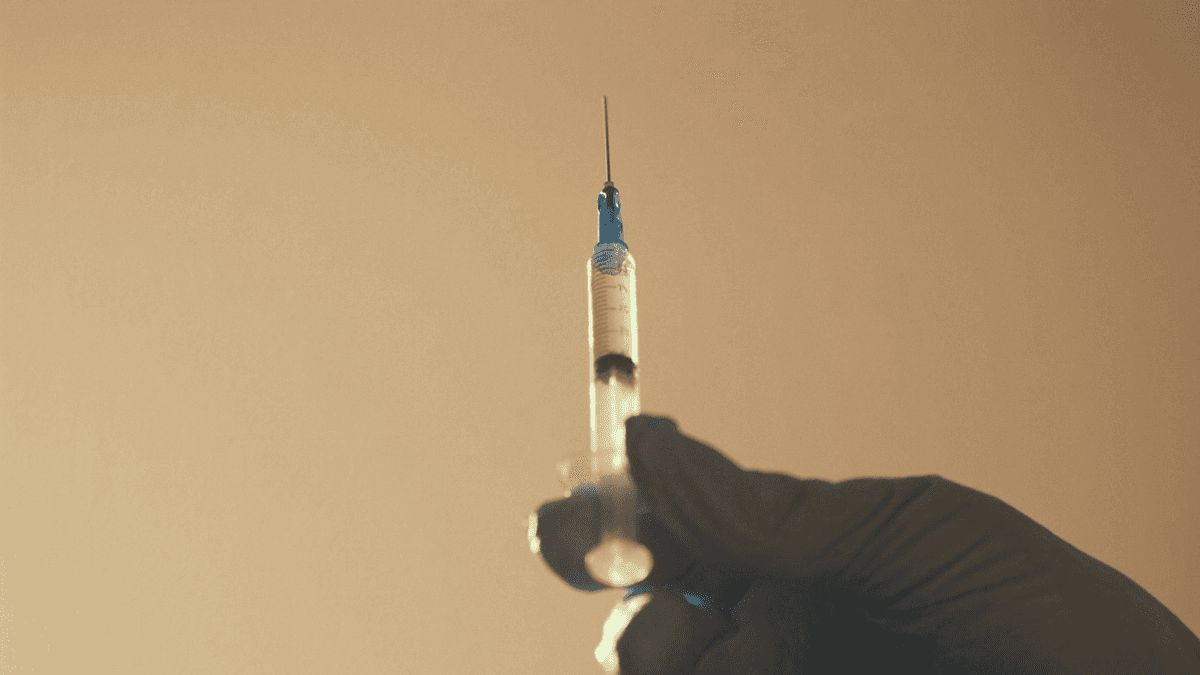
Filler complications are almost never about the product. They are about the hand holding the syringe.
Filler complications are almost always caused by the injector, not the brand of filler. Misplaced filler sits wrong for 6–18 months, and filler injected into a facial artery causes vascular occlusion, which can kill skin within hours or cause blindness. An experienced "key doctor" matters far more than the filler brand, especially in the high-risk zones: glabella, nose, smile lines, and under-eye hollows.
Why filler is different from other injectables
Most injectables forgive a less-experienced injector. Botox placed two millimeters too high settles into a normal result within weeks. Rejuran, Juvelook, and other skin boosters do too. Filler does not. Filler placed in the wrong skin layer sits wrong for 6 to 18 months until it is dissolved out. Filler injected into or next to a facial artery causes vascular occlusion — filler entering a blood vessel, the most dangerous filler complication. It can kill the skin in that area within hours. Near the eye, it can cause blindness.
If something goes wrong with filler, you have hours — not days — to fix it. That is why the injector matters more than the brand.
The four highest-risk areas for filler
Not every filler zone carries the same risk. The four highest-risk areas are: the glabella (between the eyebrows), the nasolabial folds (smile lines), the nose, and the under-eye hollows — all adjacent to facial arteries that connect to the eye's blood supply. Lower-risk zones include the lips, cheekbones, chin, and jawline.
Experienced injectors can treat high-risk zones safely, but they use specific techniques: a blunt cannula instead of a sharp needle, aspirating before injecting, slow delivery in small amounts. These take hundreds of cases to master. Inexperienced injectors in these four zones account for most vascular occlusion incidents.
What a "key doctor" actually means
The "key doctor" in Korean clinics is the senior injector who handles harder cases while staff injectors do routine ones. A real key doctor has at least five years dedicated to injecting (not general plastic-surgery training), performs hundreds of injections per week, maintains a portfolio of their own personal cases, and charges more than a staff injector at the same clinic. The key-doctor tier is a standard upgrade — ask for it by name for any filler in a high-risk zone.
Why the brand of filler matters less than you think
Juvederm, Restylane, Neuramis, Teosyal, Belotero, Elravie — when well-placed, these products are more alike than different. They all dissolve with hyaluronidase if needed, last about as long, and have similar safety records. Differences in thickness, particle size, and concentration matter at the margins (some are better for lips, others for cheeks), but the brand is a small lever on your result. The injector is the big lever. A bad injector with Juvederm gives a worse result than a great injector with Neuramis.
Who is a good candidate for filler
Filler works best for: lost mid-face volume (common in late 30s through 50s), static lines visible at rest (smile lines, marionette lines), lip enhancement, and chin or jawline reshaping. It works less well for: expression lines that only appear in motion (Botox), deep acne scars (microneedling and lasers), or significant sagging (HIFU or thread lifts). Patients who expect filler to "lift" their face are usually disappointed unless volume restoration itself creates a lifting effect.
Who should skip filler for now
Skip filler if you have an active autoimmune flare, a recent infection at the injection site, or take blood thinners without a risk-versus-benefit conversation with the doctor. Be cautious if you are prone to keloid scarring (low risk specifically for filler, but worth flagging). Skip filler if you cannot return for a two-week check-up — the final result often depends on a small touch-up or, rarely, a partial reversal. That two-week visit is logistically hard for many medical tourists, so plan for it before you book.
Vascular occlusion: the response decides the outcome
When vascular occlusion happens, the right response can fully resolve it in most cases: immediate hyaluronidase flooding, warm compress, aspirin, and close follow-up. The wrong response — "let us wait and see," sending the patient home, or not having hyaluronidase on hand — is how it becomes permanent skin death. Before any injection, ask whether the clinic keeps hyaluronidase in the treatment room and whether the key doctor is trained to treat vascular occlusion as an emergency. Korean patients ask this routinely. The answer tells you a lot about the clinic.
Key takeaways
- Filler complications are almost always about the injector, not the brand of filler.
- The four high-risk zones for vascular occlusion are: between the brows, smile lines, nose, and under-eye hollows.
- Most Korean clinics have a "key doctor" tier — ask for it by name for any high-risk-zone filler.
- When vascular occlusion happens, the right response usually fixes it. The wrong response leads to skin death.
Protection tips
- For filler in any high-risk zone, book the key-doctor tier specifically — not a staff injector.
- Ask if the clinic keeps hyaluronidase in the treatment room and whether the injector is trained in vascular-occlusion emergency response.
- Build a two-week follow-up visit into your Korea trip for assessment and any touch-up.
- Photograph the filler box serial number — counterfeits exist in the filler market too.
Common questions
Why does the injector matter more than the filler brand?
Filler does not forgive mistakes the way Botox or skin boosters do. Filler placed in the wrong skin layer sits wrong for 6 to 18 months, and filler injected into or beside a facial artery causes vascular occlusion, which must be treated within hours. Well-placed Juvederm, Restylane, Neuramis, Teosyal, Belotero, or Elravie behave more alike than different, so the injector is the big lever.
What are the most dangerous areas for filler?
The four highest-risk filler zones are the glabella (between the eyebrows), the nasolabial folds (smile lines), the nose, and the under-eye hollows, all adjacent to facial arteries connected to the eye's blood supply. Lower-risk zones include the lips, cheekbones, chin, and jawline. Experienced injectors treat high-risk zones using a blunt cannula, aspiration, and slow delivery in small amounts.
What is a "key doctor" at a Korean clinic?
At Korean clinics, the "key doctor" is the senior injector who handles harder cases while staff injectors do routine ones. A real key doctor has at least five years dedicated to injecting, performs hundreds of injections per week, keeps a portfolio of personal cases, and charges more than a staff injector. The key-doctor tier is a standard upgrade worth requesting for any filler in a high-risk zone.
Want help navigating this?
Our coordinators are registered medical tourism facilitators accredited under the Korea Ministry of Health. We match you to 2–3 vetted Seoul clinics at real local prices — free, within one business day.
Start a free consultation →Researched by our team through practitioner interviews, on-the-ground market intel, official sources (MFDS enforcement records, KOIHA registered-facilitator data, Korean Society of Dermatologic Surgery), and Korean-language investigative reporting (Chosun Biz, KBS, Hankyoreh). Paraphrased — not medical or legal advice.