
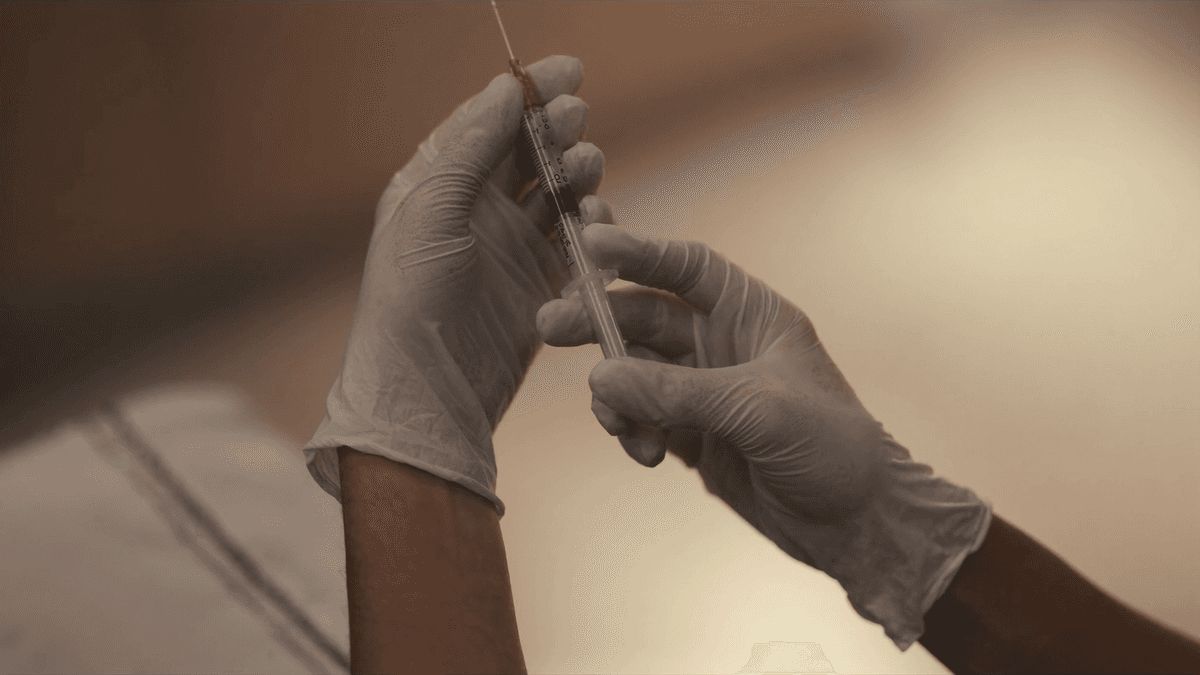
Ultherapy, Rejuran, fillers, and Juvelook Volume are the four treatments most foreign visitors book. None of them are dangerous in trained hands, but every one of them has a real side-effect profile that consultations often skip over. Here is what actually happens, how often, and how to tell normal from not.
Ultherapy, Rejuran, HA fillers, and Juvelook Volume each have a real side-effect profile. Ultherapy causes brief pain, redness for 1–4 hours, and tenderness for days; the serious risk is burns from counterfeit cartridges. Rejuran leaves small bumps at injection sites for 24–48 hours. Fillers commonly bruise and swell, with vascular occlusion the rare emergency. Juvelook Volume can form nodules that cannot be dissolved like HA.
Why this matters before you book
Most clinical complications happen because the patient was not told what to expect, not because something rare went wrong. A bruise the clinic never warned you about feels like a problem; the same bruise after an honest pre-treatment briefing feels like part of the process.
Korean law requires written informed consent covering side effects before any procedure, but in practice this often becomes a 30-second signature. The list below is what a thorough doctor consultation should cover for these four treatments — read it before you go in so you can spot whether anything is being left out.
Ultherapy — what to expect
Common and expected: pain during the procedure (real but brief, peaking during deep-layer shots over bone), redness for 1–4 hours, and mild swelling resolving within 24–48 hours. Less common but normal: tenderness for 3–5 days, a "tightness" or muscle-soreness sensation as deep tissue heals, and occasional small bumps along the jawline that fade within 1–2 weeks.
Rare but documented: temporary numbness or tingling in a small skin patch (resolves over 2–8 weeks), brief muscle weakness in one zone (almost always temporary), and bruising at higher energy settings.
The serious complication to know: burns from counterfeit cartridges. Authentic Ultherapy cartridges contain buffer fluid that prevents skin-surface burns; refilled or counterfeit cartridges with depleted buffer have caused documented burn injuries in Korea (2023–2025). Always confirm the cartridge box is unopened and verify the QR code before treatment starts.
Rejuran — what to expect
Rejuran is one of the gentlest injectables on Korean menus, but it is not without side effects. Most common: small visible bumps at every injection site for 24–48 hours — not allergic reactions, but small deposits slowly absorbing. They look like an even grid of mosquito bites and are why most Korean patients plan a stay-home day after the session. Bruising is common, especially with under-eye Rejuran I, where bruises can last 5–7 days.
Less common: tenderness for 2–3 days, mild itching, and slight redness fading within 24 hours. Rare but documented: allergic reactions (very low rate — a salmon-meat allergy is not by itself a contraindication, since Rejuran uses purified salmon-DNA polynucleotides, not fish protein; what matters more is any prior reaction to nucleotide-based injectables), prolonged swelling beyond 48 hours, and persistent bumps taking 2–4 weeks to resolve in thinner skin.
Rejuran I (under-eye) gets split reviews because the bumps beneath the eye are more visible than on the cheeks — a real downside for first-timers who underestimate how noticeable they are on day 1.
Fillers (HA) — what to expect
HA fillers have a wider side-effect range than the other three treatments because placement matters so much. Common and expected: bruising (very common with needle injection in vascular zones — typically 5–7 days, occasionally longer under the eye), swelling for 24–72 hours (up to 1 week in lip areas), tenderness for several days, and temporary asymmetry until swelling settles.
Less common but normal: small palpable lumps smoothing out over 2–4 weeks, mild bluish tint through thin skin (Tyndall effect — most common with under-eye filler placed too superficially), and persistent firmness in the injected zone.
Serious but rare: vascular occlusion (filler pushed into an artery — symptoms are sudden severe pain, skin blanching, or blue-grey discoloration; this is a medical emergency requiring immediate hyaluronidase), infection at the injection site, granulomas (very rare with HA), and biofilm formation over months. The most important pre-treatment question: "Do you have hyaluronidase in the room?" The answer should always be yes.
Juvelook Volume — what to expect
Juvelook Volume is a PDLLA biostimulator combined with HA, so it carries the side-effect profile of both ingredients. Common: bruising at injection sites (typically 5–7 days), swelling for 24–72 hours, tenderness for several days, mild redness or warmth in the first 48 hours, and an immediate plumping that can look "over-corrected" in the first week before settling.
Less common but normal: small palpable nodules where PDLLA is concentrated — these usually smooth out over 8–12 weeks as microspheres dissolve, but in some patients they stay firm and visible for 3–6 months.
Rare but documented: persistent nodules (more common when injected too superficially — Juvelook Volume should be placed in deep fat compartments, not dermis), granulomas (rare but harder to treat than HA complications because PDLLA cannot be dissolved by hyaluronidase), and asymmetric collagen build where one side develops more new tissue than the other. Injector experience matters more here than with standard HA filler — the visible difference between experienced and inexperienced injectors is larger.
How to spot normal vs not normal afterwards
Normal post-treatment effects share three traits: they appear within 24 hours, improve day by day, and stay localised to the treated area. Not-normal effects are the opposite: they appear 48+ hours after treatment, worsen rather than improve, or spread beyond the treated zone.
Warning signs requiring an immediate clinic call: severe pain not improving after filler (can be the first sign of vascular occlusion), spreading redness or warmth that grows after day 2 (possible infection), skin turning white, blue, or grey at the injection site (vascular occlusion — medical emergency), fever, blistering, or pus discharge. For Ultherapy: any visible burn or blister is not normal — burns from counterfeit cartridges are documented in Korea.
General rule: if anything you are seeing was not described in your pre-treatment briefing, contact the clinic the same day, not the next morning.
What a good clinic does about side effects
A clinic that takes side effects seriously does several things consistently: explains the realistic worst-case scenario before treatment (not just the best case), provides written aftercare instructions in a language you can read, and has a dedicated phone line or messaging channel available outside business hours.
They also keep hyaluronidase physically in the treatment room, have a documented vascular-occlusion protocol, and follow up at 1–2 weeks to catch slow-developing issues.
The presence or absence of these practices is the single best predictor of how the clinic handles a complication — and you can ask about all of them before you sign anything.
Key takeaways
- Ultherapy: pain during procedure is normal. Bruising and tenderness are common. Burns from counterfeit cartridges are the serious risk to verify against.
- Rejuran: small bumps at every injection site for 24–48 hours are normal, not allergic reactions. Plan a stay-home day after the session.
- Fillers: bruising and swelling are very common; vascular occlusion is the rare but serious complication every filler clinic must be ready to reverse with hyaluronidase.
- Juvelook Volume: technique-sensitive — persistent nodules from incorrect placement are the main risk and cannot be dissolved like HA filler can.
- A clinic that explains realistic side effects upfront is statistically far more likely to handle a complication well if one arises.
Protection tips
- Before any of these four treatments, ask the doctor directly: "What are the realistic side effects for me, and what do I do if something does not look right?"
- For filler specifically, confirm the clinic keeps hyaluronidase in the treatment room — it is the only emergency reversal for vascular occlusion.
- For Ultherapy, ask to see the cartridge box brought in unopened, and verify the manufacturer QR code or hologram before the operator starts.
- For Juvelook Volume, ask whether the doctor (not staff) is performing the injection and how many cases per month they personally do.
- After any treatment, save the clinic's direct contact for after-hours questions — and use it the same day, not the next morning, if anything looks unexpected.
Common questions
What are the side effects of Ultherapy?
Common Ultherapy side effects are pain during the procedure (brief, peaking over bone), redness for 1–4 hours, and mild swelling resolving within 24–48 hours. Tenderness for 3–5 days and small jawline bumps fading within 1–2 weeks are less common but normal. Rare effects include temporary numbness or tingling for 2–8 weeks. Burns from counterfeit cartridges are the serious documented risk in Korea.
Are the bumps after Rejuran normal?
Yes. Small visible bumps at every Rejuran injection site for 24–48 hours are the most common side effect and are not allergic reactions; the bumps are small deposits slowly absorbing and look like an even grid of mosquito bites. Most Korean patients plan a stay-home day after the session. In thinner skin, persistent bumps can take 2–4 weeks to resolve, and under-eye Rejuran I bumps are more visible.
How do I know if a filler side effect is serious?
Normal filler effects such as bruising, swelling, and tenderness appear within 24 hours, improve day by day, and stay localised. Warning signs needing an immediate clinic call are severe pain that does not improve, skin turning white, blue, or grey at the injection site (vascular occlusion, a medical emergency treated with hyaluronidase), spreading redness or warmth after day 2, fever, blistering, or pus.
Want help navigating this?
Our coordinators are registered medical tourism facilitators accredited under the Korea Ministry of Health — not the unlicensed brokers this article warns about. We match you to 2–3 vetted Seoul clinics at real local prices — free, within one business day.
Start a free consultation →Researched by our team through practitioner interviews, on-the-ground market intel, official sources (MFDS enforcement records, KOIHA registered-facilitator data, Korean Society of Dermatologic Surgery), and Korean-language investigative reporting (Chosun Biz, KBS, Hankyoreh). Paraphrased — not medical or legal advice.